contact@bluelakelaw.com
 Tel: +44 161 820 5189

By admin
What Application is Faster for European Applicants?
Returning to the United States after living in a European country is an exciting prospect; however, you may be considering which visa route is best and fastest for you. If you have built a family in Germany, Italy, or the United Kingdom, you likely have a spouse or dependants that are non-US Citizens. In this case, there are two separate routes you can take: Traditional Consular Processing and Direct Consular Filing.
What is traditional consular processing?
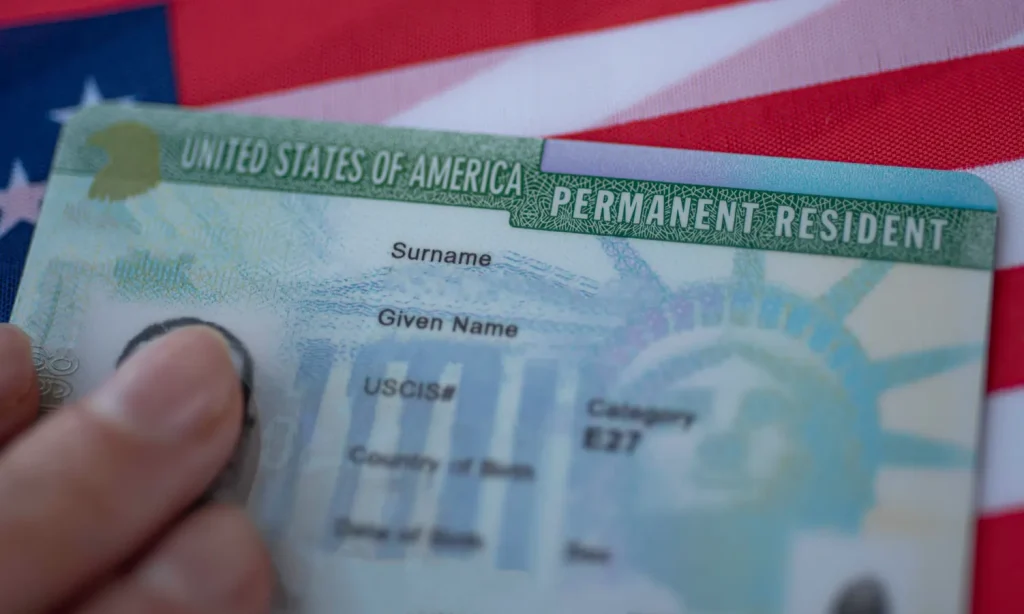
Traditional consular processing is the process in which individuals outside the United States apply for an immigrant visa to become Lawful Permanent Residents (Green Card). While commonly used for spouses and children, it is the standard path for all immigrant visa categories, including employment-based and extended family visas, for those who are not U.S. residents.
Importantly, when applying for an immigrant visa, your case must first be approved by USCIS (U.S. Citizenship and Immigration Services), then processed by the NVC (National Visa Center), and finally adjudicated by the Department of State at the consulate. The main difference between consular processing and Adjustment of Status is that the applicant remains outside the U.S. until the visa is granted, rather than applying for the Green Card while physically present in the United States.
When going through traditional consular processing, the timeline is usually much longer, and can take anywhere between 12 to 24 months for approval.
What is direct consular filing?
Direct Consular Filing (DCF) is an expedited process that is designed to allow U.S. citizens residing outside the United States to file the I-130 petition directly at the U.S. Embassy or Consulate in their country of residence, such as Germany or Italy, rather than through USCIS in the United States for their spouses or children (under the age of 21). However, while this process is much faster, it is not a routine option for anyone to use and to qualify, you must be able to demonstrate Exceptional Circumstances that require urgent travel.
Some of the most common examples include:
- Short-notice job relocation: If you are working in Europe and have built a family, and your employer suddenly needs you to relocate back to the U.S, a DCF can help you remain with your family.
- Medical emergencies: Urgent life-saving treatment needed in the U.S. for the petitioner or a beneficiary.
- Military deployment: If you are serving in the U.S. military and receive PCS orders with little notice to return to the U.S.
Importantly, the primary advantage of DCF is that it bypasses the standard USCIS and National Visa Center (NVC) processing queues and reduces the 12–24 month timeline you find with traditional consular processing to just a few months.
Do you qualify for Direct Consular processing
Determining your eligibility for DCF involves meeting strict criteria set by the USCIS regarding your residency and your specific situation. As this route bypasses the standard queues with the National Visa Center, the burden of proof rests entirely on the petitioner to justify why your case deserves priority.
Residency requirements
The process begins when you (the petitioner) can demonstrate to USCIS that you have been legally residing in the current European country for at least 6 months. This is done by proving that you hold a valid visa or residency permit, for example, being based in a military base or holding a German Aufenthaltstitel, in the country where the US embassy or consulate is located. You must also show that you have maintained a primary residence in that jurisdiction.
Proving exceptional circumstances
One of the most difficult hurdles is the exceptional circumstances requirement. As this is a core part of Direct Consular Filing, the consular officers will use their discretion to decide whether your case is urgent or not. If they find that your situation is not deemed to be an emergency, they will direct you towards the traditional consular route.
This is where our team can help, as we understand the nuances of DCF and can help you determine whether your case falls under the exceptional circumstances category, such as receiving your PCS orders or having a job relocation back to the United States.
The request process
Before you begin and start filing paperwork and sending it off to your local U.S Embassy or consulate, you need to ensure you follow the correct process. Not doing so can lead to your visa being rejected and increasing the timeline.
- The initial inquiry: Before filing any paperwork, you will need to receive approval from the Immigrant visa unit at your relevant US Embassy (For example, London, Frankfurt, or Naples), which will grant permission for your case to be filed locally.
- The justification: They will then require a written explanation of your urgent need to return to the United States, along with your supporting documentation.
- The Approval: Once the consular officer grants your permission, you will be able to submit the I-130 form directly to your local embassy.
Ensuring that you follow this process accurately will reduce the risk of your request for Direct Consular Filing being denied. Which is why using our team, at Blue Lake Law, is vital as we understand the process fully and can help you with your request and application from the beginning.
Importantly, if your DCF request is denied by your local Embassy, it does not mean that your visa will be refused; it simply means that you will need to go through the Traditional Consular processing route via the USCIS Lockbox in Chicago.
How Blue Lake Law can help
If you are in the position where you need to return to the US urgently or you’re unsure whether you can go through the Direct Consular Filing or traditional consular processing, our team of immigration experts can help guide you through the whole process.
We understand that applying for immigration to the United States is overwhelming and complex, and we know that any issues or mistakes in your application can push your visa back by months or even years. This is why we spend the time with you to ensure your application is robust, accurate, and follows the correct processes set by the USCIS. We keep you fully informed from the outset and throughout your Green Card visa application to help reduce the stress and anxiety the process can have.
Expert advice on US immigration
Contact us today for our advice on US immigration – we aim to be back in touch within one working day.